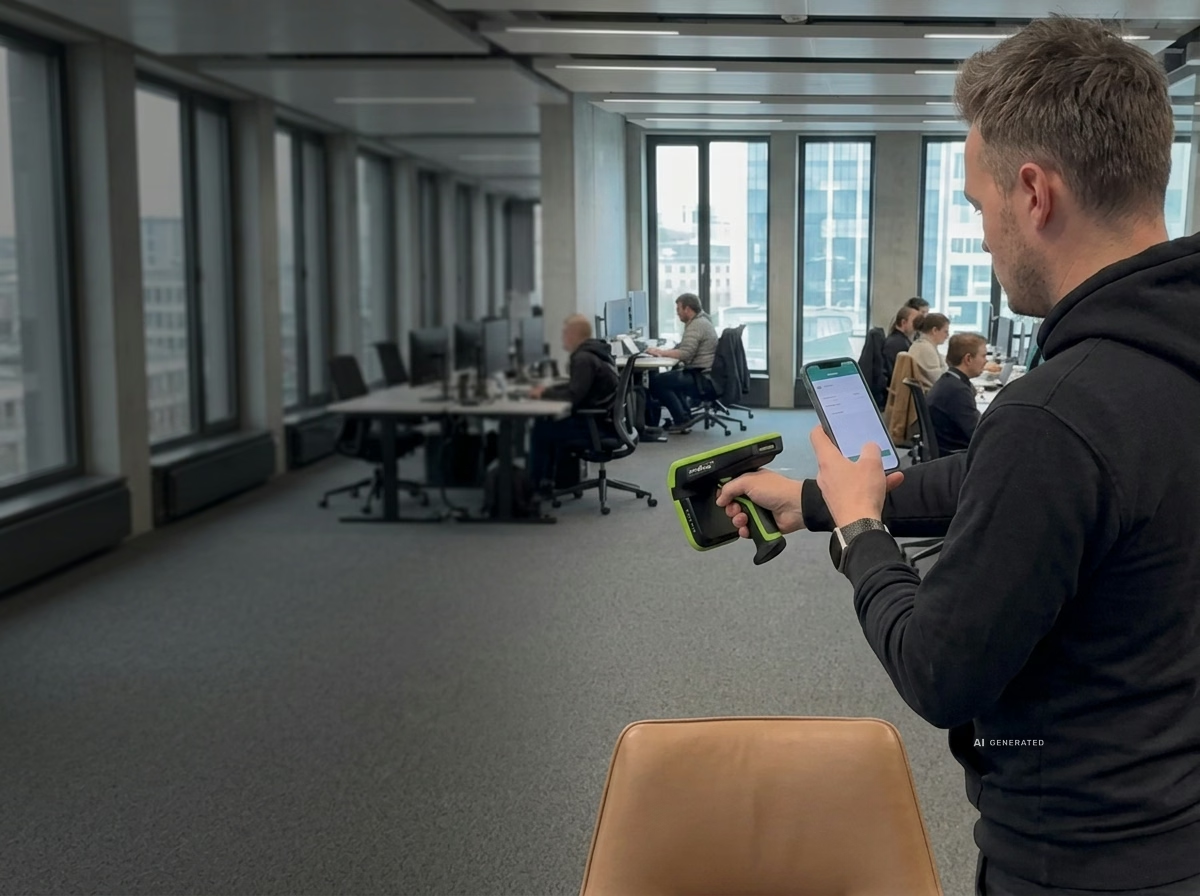
RFID erfasst mehrere Assets gleichzeitig. Einfach über Bluetooth mit unserer App verbinden und ganze Räume in Sekunden erfassen.
Ein RFID-Scanner liest passive RFID-Etiketten kontaktlos per Funk aus – die Etiketten benötigen dafür keine eigene Stromversorgung.
Anders als bei Barcode oder QR-Code ist kein Sichtkontakt zwischen Reader und Etikett nötig. Mehrere Etiketten lassen sich in einem Durchgang erfassen (Bulk-Scan). In der seventhings-App wird der Reader per Bluetooth verbunden und die erfassten Assets werden direkt einem Raum oder Standort zugeordnet.
So funktioniert es
Ein Rundgang durch den Raum genügt – kein Ein-Klick-Gesamtscan, aber auch kein Etikett-für-Etikett wie bei Barcode oder QR-Code.
Etikett anbringen
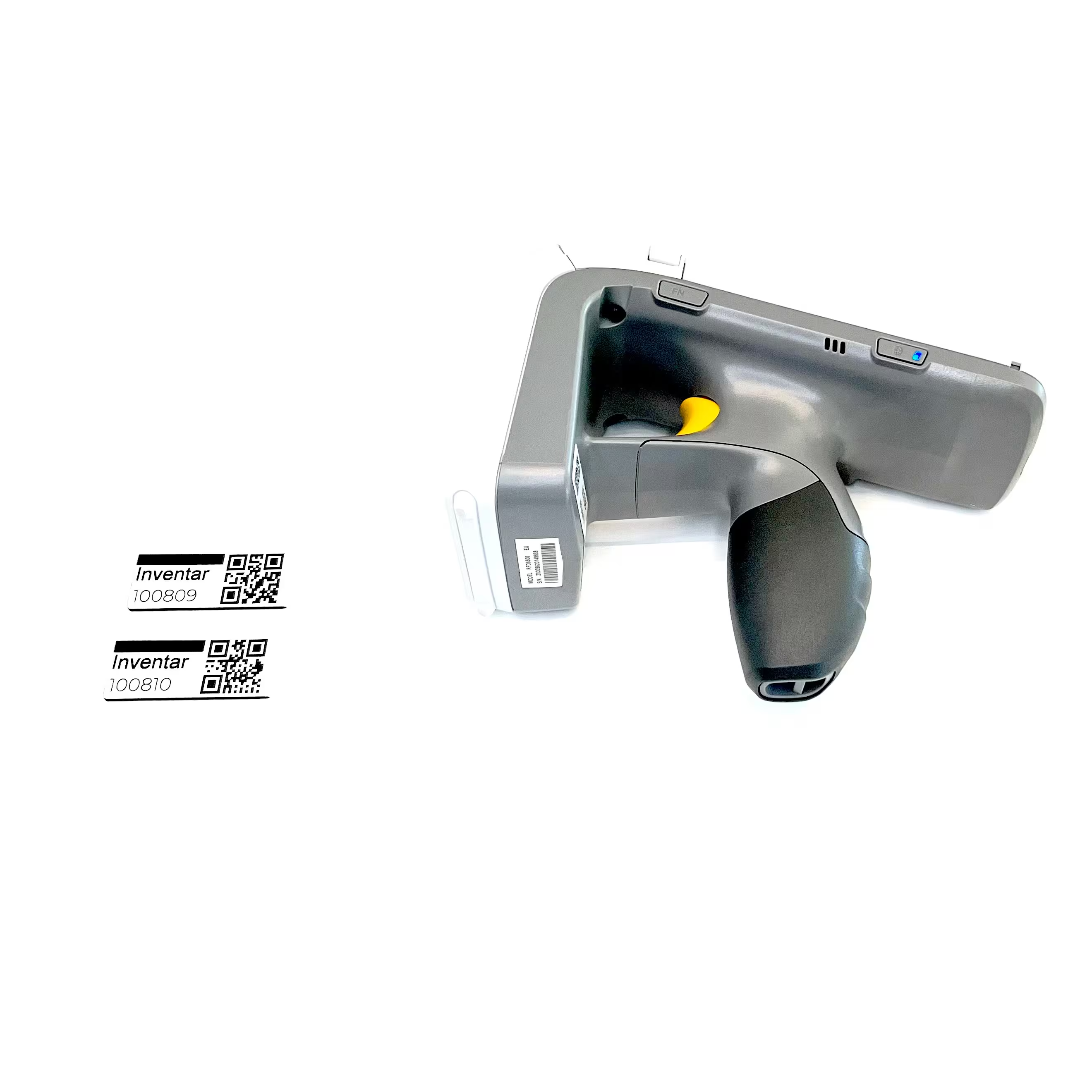
Passendes RFID-Etikett am Asset anbringen – separate Varianten für Metall und Nichtmetall.
Reader koppeln
RFID-Scanner per Bluetooth mit dem Smartphone verbinden und in der App aktivieren.
Raum festlegen
Standort bzw. Raum in der App auswählen, z. B. über ein Raumlabel.
Durchgehen & scannen
Beim Durchqueren des Raums werden mehrere Etiketten im selben Durchgang erkannt.
Prüfen & speichern
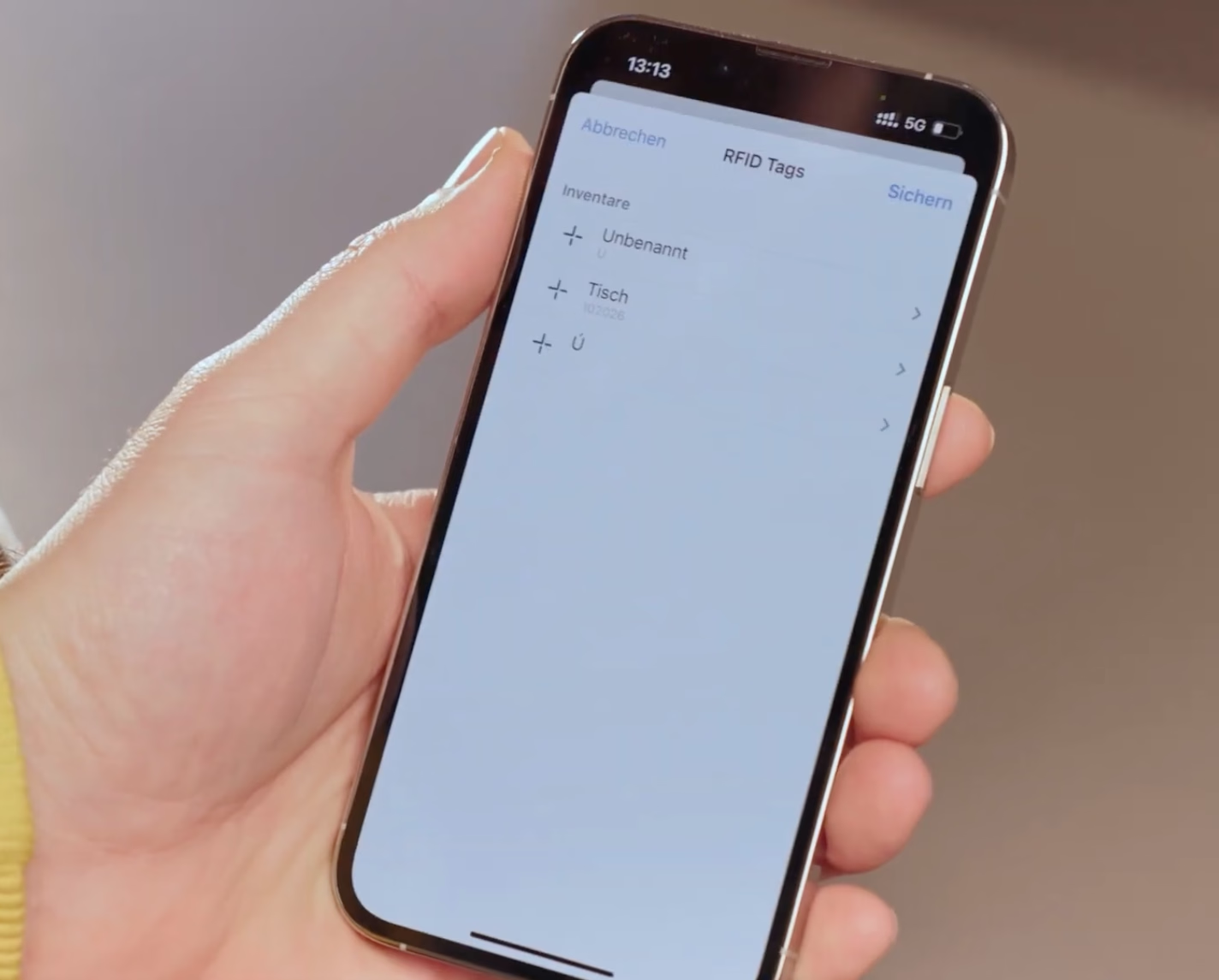
Gefundene Assets prüfen, bei Bedarf einzeln bearbeiten und mit aktuellem Raum speichern.
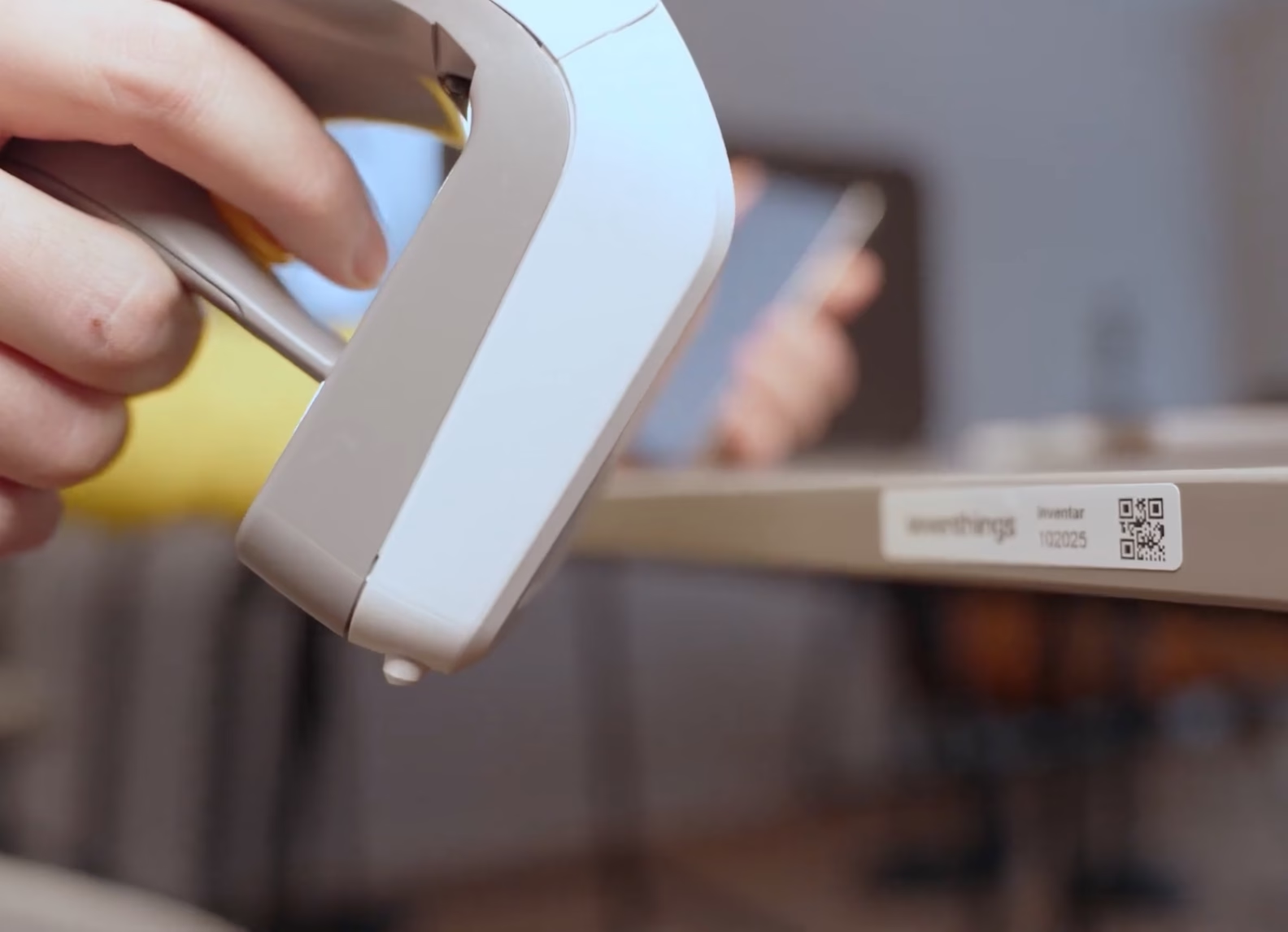
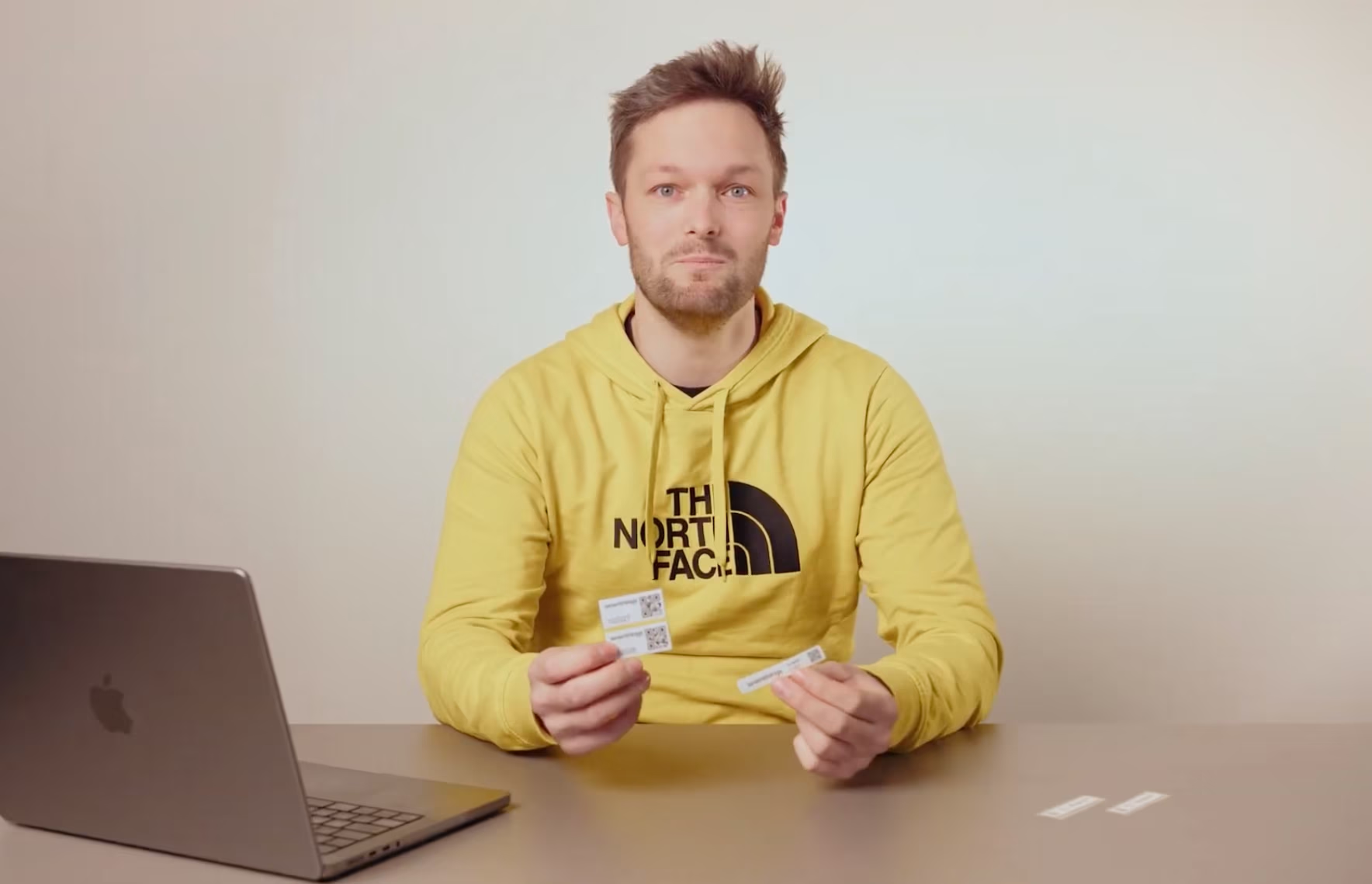
Unser Head of Product, Henry Agsten, führt Sie durch die faszinierende Welt der RFID-Technologie.
“We save so much time. Hard to imagine ever going back to old-school asset management. ”

Florian Bell
CFO, Natsana








Zeitersparnis ggü. Barcode/QR-Code

Bestands-genauigkeit

Lifespan-
prolongation
Join over 500 companies
who already successfully manage more than 16 million assets with seventhings

Lorem ipsum dolor sit amet, consectetur adipiscing elit. Suspend Varius Enim in Eros Elementum Tristique. Duis cursus, mi quis viverra ornare, eros dolor interdum nulla, ut commodo diam libero vitae erat. Aenean Faucibus Nibh et Justo Cursus id Rutrum Lorem Imperdiet. Nunc ut sem vitae risus tristique posuere.

Rudi Gatzemeyer, IT Director, Plan International

Lorem ipsum dolor sit amet, consectetur adipiscing elit. Suspend Varius Enim in Eros Elementum Tristique. Duis cursus, mi quis viverra ornare, eros dolor interdum nulla, ut commodo diam libero vitae erat. Aenean Faucibus Nibh et Justo Cursus id Rutrum Lorem Imperdiet. Nunc ut sem vitae risus tristique posuere.
Rudi Gatzemeyer, IT Director, Plan International


A reader that scans passive RFID tags contactlessly via radio waves. Unlike barcodes or QR codes, no direct line of sight is required, and multiple tags can be captured in a single pass.
Can I use RFID alongside QR codes and barcodes?
Does RFID make sense for every asset? What is the reading range of an RFID scanner? Are there different RFID tags for metal and non-metal surfaces?
In 30 minutes, we’ll show you what bulk RFID scanning looks like for your inventory—including tag selection for your assets.
Yes. The seventhings app supports RFID, QR codes, barcodes, and data matrix codes simultaneously. Mixed operation is possible, for example, using RFID for frequently moved assets and QR codes for the rest of your inventory.
Not necessarily. RFID labels are more expensive than barcode labels due to the chip and antenna. RFID is most effective for large volumes, frequent inventory counts, and assets that are moved often.
This depends on the reader, the tag, the object material, and the environment, so it cannot be quantified with a general figure. Metal between the reader and the tag can affect detection – there are specific on-metal tags designed for this purpose.
Yes. For furniture and other non-metallic objects, there is a 73 × 12.5 mm label; for metallic objects, there is a 50 × 22.5 mm on-metal label with an additional shielding layer.



.svg)

.svg)
.svg)