Case Study
4,000 Assets in 30 Days – From Excel Chaos to Digital Inventory
IHK Aachen
.avif)


For years, it was paperwork: system data distributed via Excel tables and the ERP system, no clear identification, no central overview. The question “Where is the projector actually?” led to hours of searching instead of an answer. The Aachen Chamber of Industry and Commerce wanted to do things differently — and digitized all 4,000 assets in 30 days. With QR codes, a central view and software that brings Excel and ERP together.
The Aachen Chamber of Industry and Commerce managed 4,000 systems — projectors, furniture, IT equipment, measurement devices — without any real visibility into them. The plant master data was distributed across two systems: partly in Excel tables, which were maintained manually, partly in the Diamant ERP system. No one really knew which version was the current one.
In addition, there was no clear identification of the objects. When someone wanted to know where a particular asset was or who it was assigned to, the answer was often a shrug. The annual inventory was an annoying, error-prone task — note, pen, long lists, manual comparisons with the systems.
It wasn't just uncomfortable. It was also a compliance and cost accounting issue: Who bears the costs for which assets? Which objects are used where? When do they have to be renewed? Without reliable data, there is no answer.
The Aachen Chamber of Industry and Commerce needed a real new start. The goal was ambitious: All 4,000 systems should be digitized, clearly identified and integrated into a central system — within a month. With location-room-cost center structure, so that every asset was not only recorded but also correctly assigned. And the solution should bring both data sources together: Excel inventories and diamond master data.
It all began with clear questions: How do inventory processes work today? What are the special requirements of the Chamber of Industry and Commerce? How should the location-room-cost center structure be mapped? Technically: How do we import from Diamond and Excel? These details were clarified in an on-site workshop so that the software could be tailored precisely to the IHK processes.
The next step was to import the plant master data from Diamant. At the same time, separate collections maintained in Excel were brought together. That sounds simple, but it was the critical step: data cleansing, mapping, deduplication — so that the system works with correct, unique data right from the start. The system was then approved for approval.
The IHK team was trained — and set off immediately. In the first half day of practical use, they already inventoried 120 systems, marked them with QR code labels and saved everything in the system. That was the proof of concept: It works. And it's faster than expected.
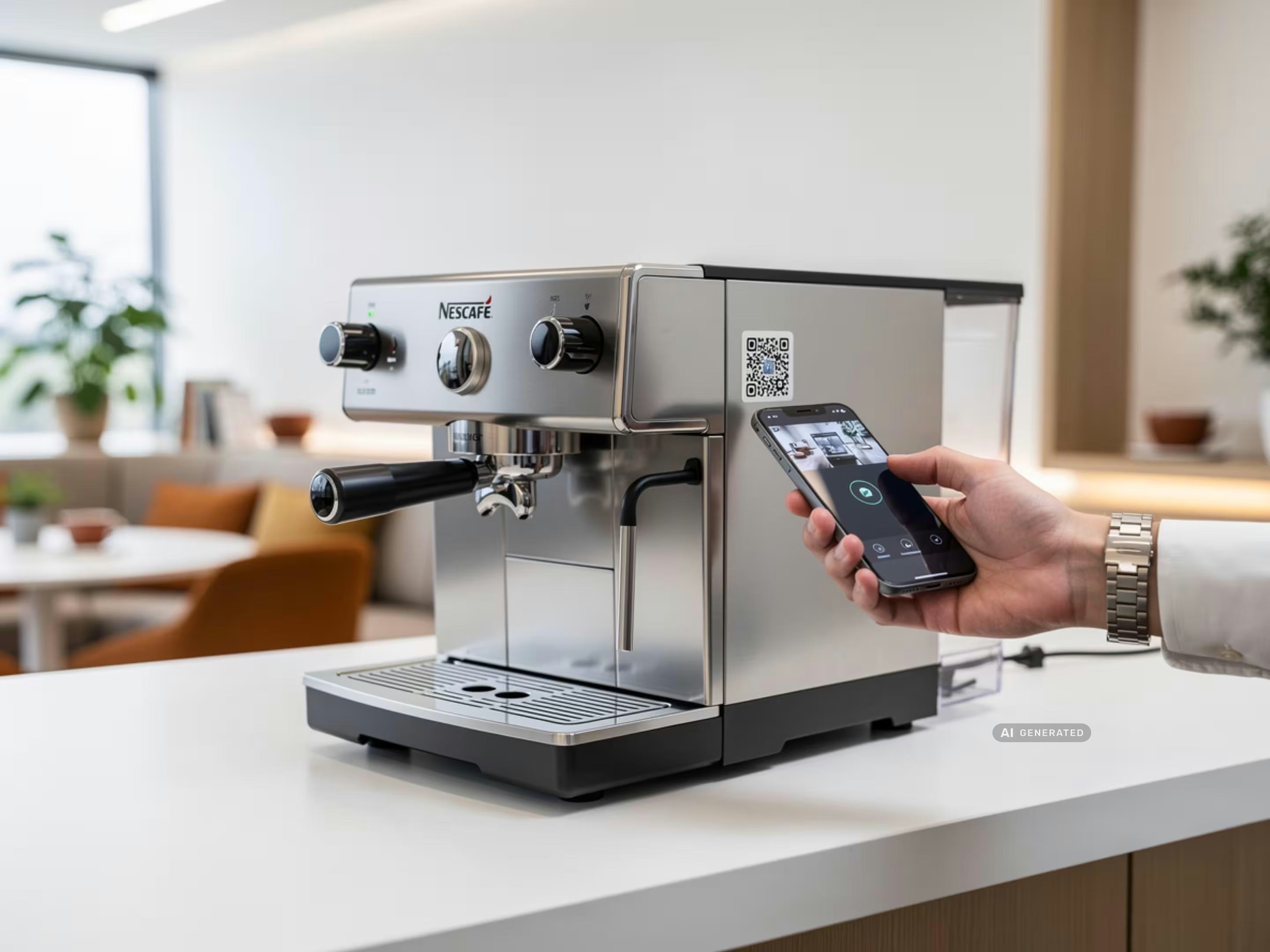
Armed with scanners, the IHK WLAN network and rolls of preprinted QR code labels, the team set about recording the remaining 3,880 systems. Scan the number, stick on the QR code, enter the location and room in the system — done. In four weeks, all 4,000 assets were digital, marked and correctly assigned.
“Inventory was fun for the first time with the software.”
- N. Müller, Asset Accounting, Aachen Chamber of Industry and Commerce
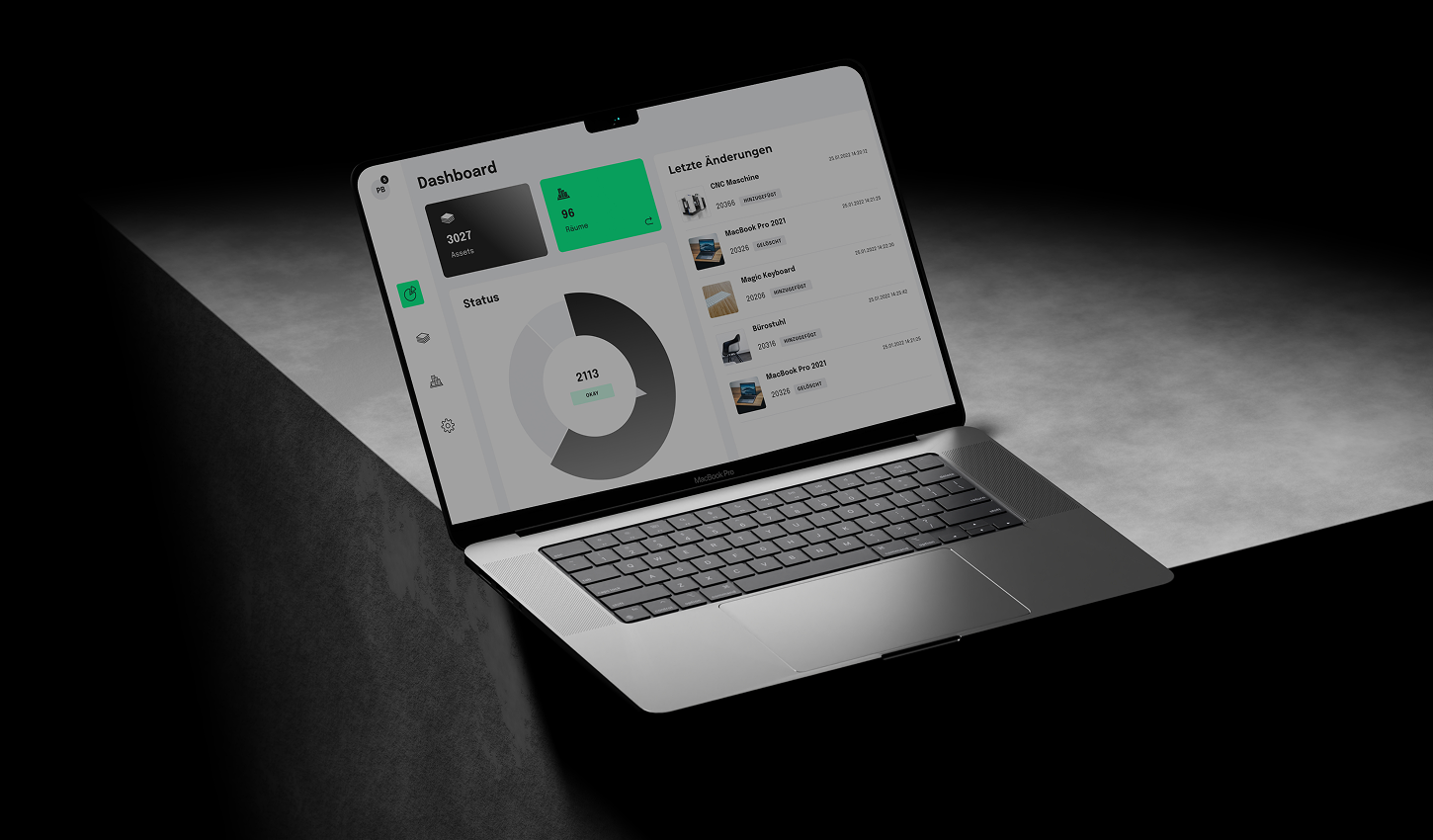
Today, the Aachen Chamber of Industry and Commerce has a functioning asset management system. All managed items are visible at a glance — anywhere and at any time. Not only “what do we have,” but also “where is it” and “who bears the costs.” New purchases can be checked beforehand if necessary.
The next inventory will no longer be an annoying task. With the existing QR codes and the system, assets can be recorded quickly and reliably. Maintenance and wear cycles are understandable. Reinvestments can be planned. Audit and accounting have a reliable data source.
And the question “Who actually has the projector?” is no longer debated for hours — it is answered in seconds.

Try seventhings free of charge for 14 days without automatic renewal.









.svg)

.svg)
.svg)


.avif)
.avif)
.avif)


%20(1).avif)

.avif)
.avif)
.avif)