Case Study
One company renaming. 4.500 Assets.
Bovensiepen (Formerly Alpina)
.avif)


It is high time for a common database.
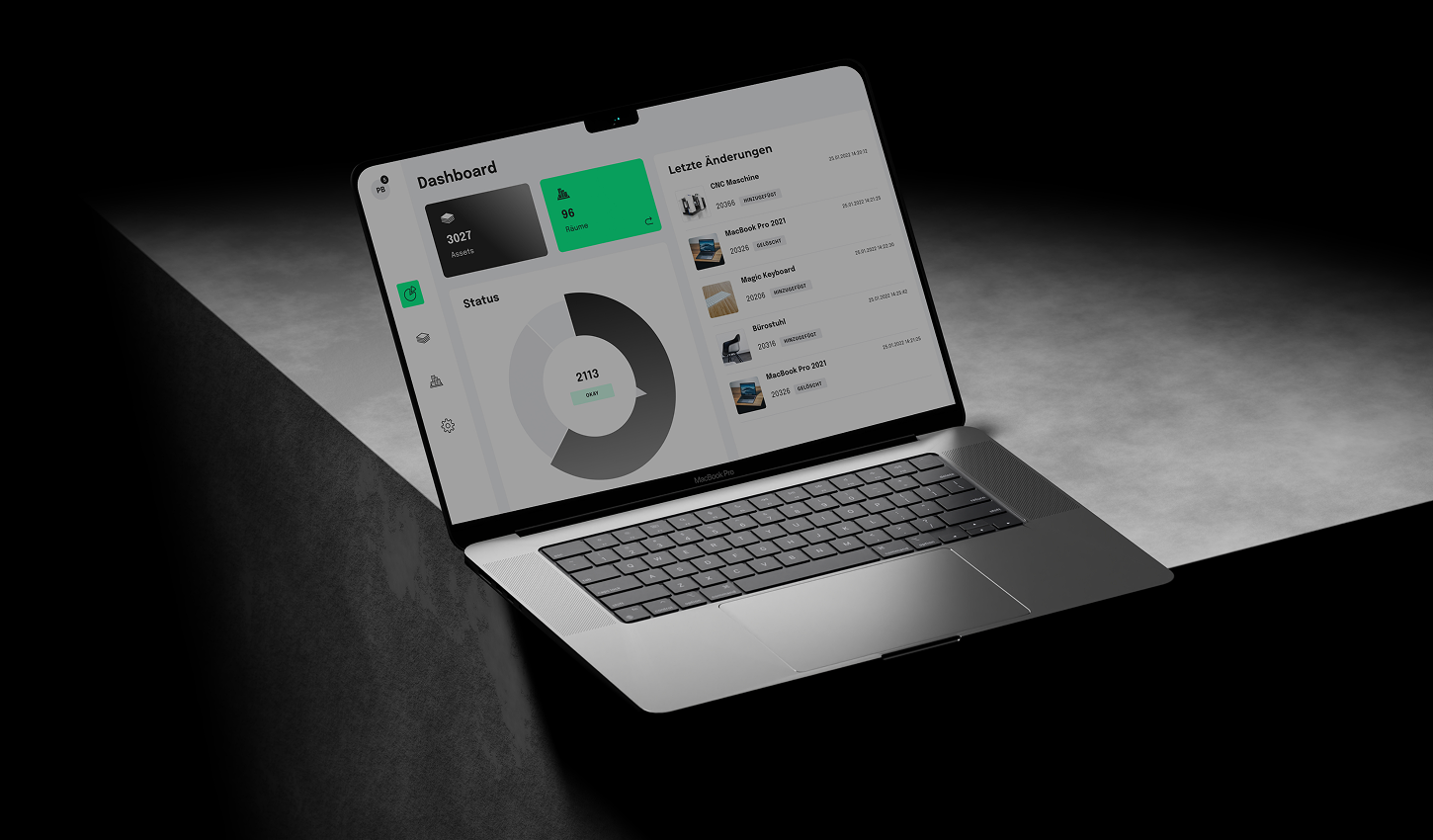
A company restructuring is always also an inventory of one's own processes. At Bovensiepen (formerly ALPINA Burkard Bovensiepen), the turn of the year 2025/2026 made it clear what many growing SMEs know: Fixed assets are managed solidly — but in established, parallel systems that do not speak to each other. If it suddenly has to be clear which asset belongs to which holding company, it takes more than good will. Here you can find out how Bovensiepen is taking the step from decentralized lists to consolidated asset intelligence with seventhings.
• A system instead of established parallel structures: Business Central and the lists of various departments are brought together in a central platform.
• Clear allocation despite holding structure: Assets are systematically assigned to individual companies — a basic requirement for audit security following the change of name.
• Independent accounting research: Today, the team answers questions about fixed assets independently in the system — without any queries to IT.
As a specialized vehicle finisher, Bovensiepen combines precision craftsmanship with automotive passion. The fact that the management of fixed assets has grown in parallel over the years in several systems is not an omission — but the normal path of a company that continues to develop.
However, the change of name at the turn of the year presented these established structures with a new requirement: The allocation of assets to the individual companies within the holding company had to be precise and comprehensible.
• Decentralized data storage: The inventory was maintained in Microsoft Business Central and, in addition, in lists of various departments — an approach that works in day-to-day business, but has limits when splitting up a holding company.
• New complexity due to the holding structure: The division into several companies required a systematic reallocation of a large part of the inventory — an effort that is barely manageable without digital support.
• Scaling requirements in accounting: Until now, a small team has been responsible for inventory. With increasing complexity, a solution was needed that could involve more people without creating more coordination effort.
Bovensiepen chose seventhings in October 2025 — as a structural answer to a structural challenge.
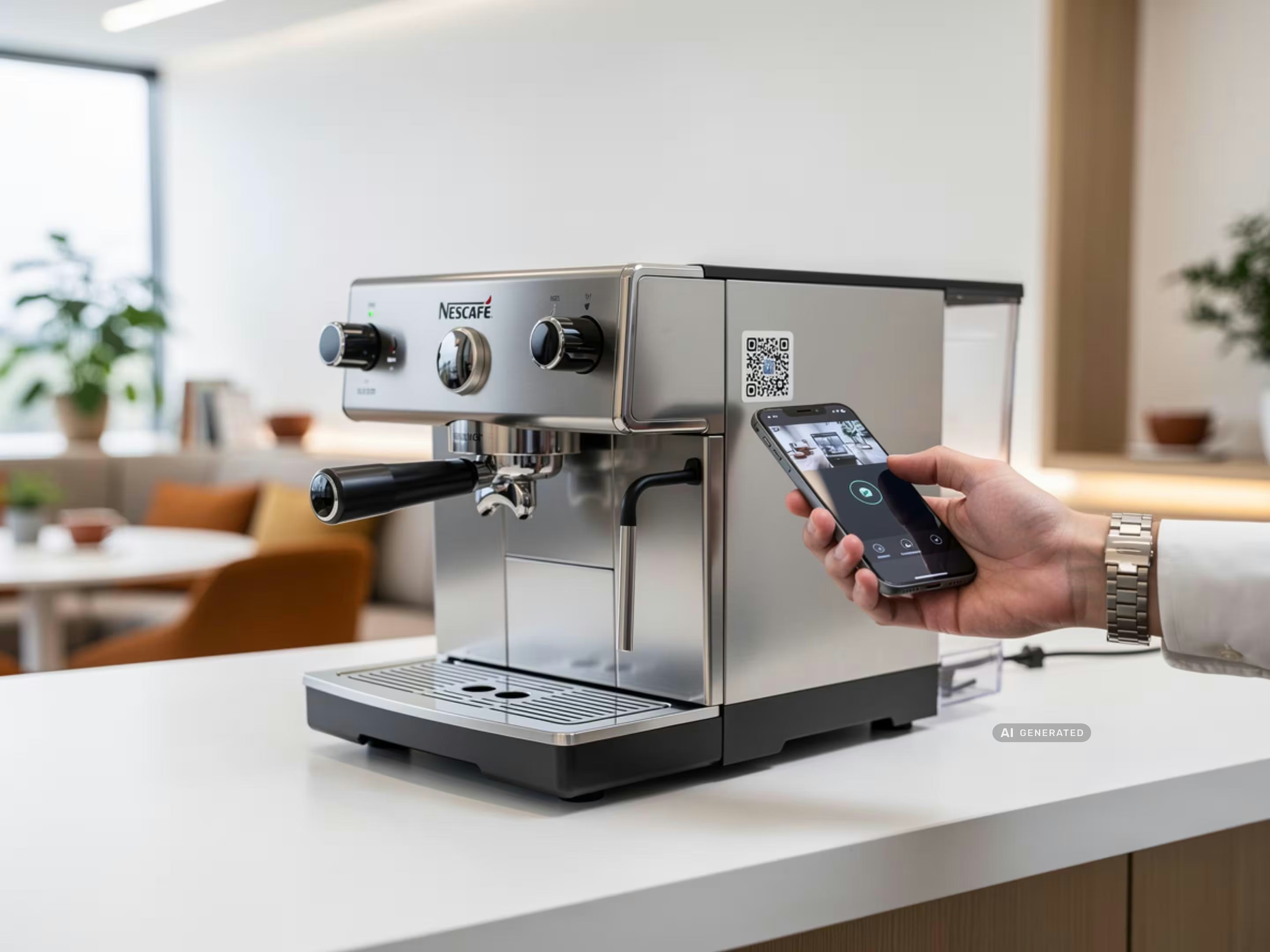
Physical visibility as a foundation: PET labels with the word “inventory” were attached to all relevant assets. This creates clarity in the inventory itself — and a common understanding within the company: Each asset has an identity, an affiliation, a place in the system.
Mobile recording, intuitive from day one: The “aha moment” came quickly — the easy capture with mobile devices and the ability to add photos directly impressed the team immediately. No long training periods, no major IT project.
Connecting to Business Central as the next step: The bidirectional reconciliation between seventhings and the existing ERP system is the next stage of expansion — so that physical inventory and financial accounting run permanently in sync.
“The easy and intuitive recording of inventory, the use of mobile devices and the ability to add images very easily — that immediately convinced us.”
- Holger Weitzdörfer, Burkard Bovensiepen GmbH + Co. KG
The transformation is in full swing — and the structural impact is already being seen:
• Consolidated database under construction: Instead of parallel lists in different systems, a common basis is created. The accounting department can conduct independent research without relying on IT.
• Holding structure can be precisely mapped: The systematic allocation of assets to individual companies is the direct answer to the requirements of
Change of name — and a solid basis for any future audit.
• Assets “are born digitally”: In future, all newly purchased assets will be inventoried before they are issued. The life cycle starts in the system right from the start — so that manual catching up is no longer necessary.
A holding structure means that every asset must be uniquely assigned — not at some point, but reliably. With seventhings, we have a scalable basis for this for the first time, which grows with our corporate structure.
- Holger Weitzdörfer, Burkard Bovensiepen GmbH + Co. KG
This customer reference shows three things that go far beyond the individual case:
Use restructuring as an opportunity: A change of name, a merger, a division of a holding company — such moments make it clear where data gaps arise. Anyone who uses them to consolidate structures creates lasting added value.
Plan enough time in advance: Bovensiepen expressly recommends that you calculate sufficient time for a complete initial inventory. The actual expenditure almost always exceeds the initial estimate.
Processes before technology: A well-thought-out process for the entire asset life cycle — from acquisition to disposal — is the real prerequisite for lasting success. The technology makes it scalable.

Try seventhings free of charge for 14 days without automatic renewal.








.svg)

.svg)
.svg)


.avif)
.avif)
.avif)


%20(1).avif)

.avif)
.avif)
.avif)
.avif)